Source Construction Rotary Drill Rig for Pile Driving
Find 30 construction rotary drill rig options for pile driving, energy mining, and drilling projects. Compare specifications like drilling diameter, depth, and engine types to select the right machinery for your industrial needs; compare the available evidence and request quotations based on your requirements.
Key considerations
Products List


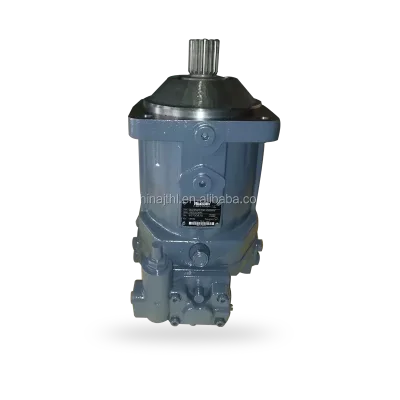
Rotary Drilling Rig Machine Construction Foundation Hydraulic Rotary Drilling Rig
$15983200.00 - $15983275.00
Moq: 1




Comprehensive Sourcing Guide
Construction Rotary Drill Rig Sourcing Guide
Procuring a construction rotary drill rig requires careful evaluation of the specific drilling diameter and depth capabilities required for your project. The market offers units with drilling diameters ranging from 500mm to 2500mm, while depths vary significantly from under 100m to over 90m. Buyers must align these technical parameters with their site conditions to ensure the machinery can handle the intended pile driver or filling pile construction tasks without operational failure.
Selection also depends heavily on the power source and engine configuration, as most observed units utilize diesel engines paired with rotary drilling methods. Some models feature DC motors or specific automatic grades, which influence operational efficiency and control precision. Understanding these mechanical differences is essential before engaging with suppliers, as the wrong configuration can lead to inefficiencies in energy and mining applications or drilling projects where high torque and stability are non-negotiable.
Product Scope and Observed Listing Signals
The current market listings reveal a wide variance in product conditions, with most units advertised as new and available for customization. Buyers should note that while some suppliers offer standard packaging, others provide packing solutions tailored to customer requirements, such as roll-on configurations or specific dimensional constraints. This variability necessitates a clear definition of logistical needs early in the sourcing process to avoid unexpected shipping costs or handling complications.
Listing signals also indicate diverse model identifiers, including specific codes like DR-150, GIAB6, and H430, which correspond to different operational profiles. The observed price range is extremely broad, spanning from low-cost entry points to multi-million dollar high-capacity rigs, reflecting differences in weight, working hours, and overall complexity. Buyers must scrutinize these signals to distinguish between basic rotary drilling rigs and heavy-duty units capable of sustaining high working hours, such as those rated for 10,000 hours of operation.
Technical Specifications to Verify
Verification of drilling diameter and hole depth is the primary technical step, as specifications range from 100-150mm holes to massive 2500mm diameters. Buyers must confirm that the selected rig matches the project's geotechnical requirements, ensuring the drill hole diameter and depth capabilities align with the intended construction phase. Discrepancies in these core specifications can render a machine unsuitable for specific pile construction tasks, leading to costly project delays or the need for equipment replacement.
Engine and motor specifications require equal scrutiny, with options including Cummins diesel engines and DC motor configurations. The physical dimensions and weight of the rig, which can reach up to 105 tons, must be compatible with the transport infrastructure and site access limitations. Additionally, the working hours rating, observed between 400 and 10,000 hours, serves as a critical indicator of the machine's remaining lifespan and suitability for long-term intensive use versus short-term project needs.
Compliance and Safety Documentation
Certification status is a critical compliance factor, with many units displaying ISO 9001 and CE marks as standard indicators of quality and safety adherence. Buyers should request valid certification documents to verify that the machinery meets international safety standards before finalizing any purchase agreement. The absence of these certifications or the presence of conflicting documentation should trigger a deeper investigation into the manufacturing quality and regulatory compliance of the supplier.
Safety documentation also extends to machinery test reports and video outgoing inspections, which provide evidence of the unit's operational integrity. Some listings explicitly state that inspection reports are provided, while others may lack this transparency. Procurement teams must ensure that these test results are recent and comprehensive, covering critical safety systems and performance metrics, to mitigate the risk of acquiring equipment that may fail during critical construction phases.
Cost Drivers and Commercial Terms
The commercial landscape for these rigs is influenced by significant cost drivers, including the unit's weight, working hours, and the complexity of the drilling mechanism. Prices observed in the market vary drastically, suggesting that factors like the automatic grade, engine brand, and specific model configuration heavily impact the final cost. Buyers should analyze the total cost of ownership, considering that higher-priced units often offer extended working hour ratings and more robust construction suitable for demanding environments.
Customization availability is another key commercial term that affects pricing and lead times. While many suppliers offer customization for packing and specific operational requirements, this flexibility often comes with adjusted pricing structures. Buyers must clarify the scope of customization, including any additional costs for tailored dimensions or specific engine integrations, to ensure the final contract reflects the true value and scope of the delivered equipment.
Supplier Qualification and Quality Control
Supplier qualification should prioritize those with a clear track record in the energy, mining, and drilling sectors, as these industries demand high reliability. The origin of the machinery, often traced to regions like Shandong, Beijing, or Xuzhou in China, provides context for manufacturing standards but does not guarantee quality on its own. Buyers must verify the supplier's ability to provide after-sales service, noting that some listings explicitly state no overseas service is provided, which is a critical risk factor for international procurement.
Quality control measures should include a review of the machinery test reports and video inspection data provided by the seller. The presence of a warranty, typically observed as a one-year term, offers some protection but should be complemented by a rigorous pre-shipment inspection protocol. Buyers should insist on detailed documentation regarding the automatic grade and specific model performance to ensure the equipment meets the stringent quality expectations required for large-scale construction projects.
Long-Term Procurement Checks
Long-term procurement success relies on verifying the availability of spare parts and the supplier's capacity for future support. Given that some units have working hour ratings up to 10,000 hours, the longevity of the machine depends on the availability of maintenance components and technical support. Buyers should establish clear agreements regarding the supply chain for critical parts to prevent operational downtime once the initial warranty period expires.
Finally, buyers must assess the scalability of their procurement strategy to accommodate future project needs. The diversity in models and specifications suggests that a single supplier may not meet all future requirements, necessitating a diversified supplier base. Establishing relationships with multiple qualified vendors ensures flexibility and resilience in the supply chain, allowing the organization to adapt to changing project demands and technological advancements in rotary drilling rig technology.
FAQs
What certifications do construction rotary drill rigs typically have?
Most construction rotary drill rigs carry ISO 9001 and CE certifications to ensure quality and safety compliance. These standards verify that manufacturing processes meet international requirements. Buyers should verify specific documentation for each unit, as some models may only hold CE marks. Always request valid certificates before finalizing procurement to ensure regulatory adherence in your target market.
Can I customize the packaging for a construction rotary drill rig?
Yes, customization is available for the packaging of construction rotary drill rigs. Suppliers often offer options such as roll-on/roll-off shipping or custom crates based on customer requirements. This flexibility helps protect heavy machinery during transit. You should specify your preferred packing method during the inquiry phase to ensure the equipment arrives safely and meets logistical needs.
What is the drilling diameter range for these rotary rigs?
The drilling diameter for these rotary rigs typically ranges from 500mm to 2500mm. Specific models may support holes larger than 300mm or up to 2000mm depending on the configuration. This wide range allows for versatile pile construction applications. Buyers should select a model that matches their specific project hole size requirements to ensure optimal performance and efficiency during operation.
How long is the warranty period for a new rotary drill rig?
The standard warranty period for a new rotary drill rig is one year. This coverage typically applies to the main machinery components under normal operating conditions. Buyers should review the specific warranty terms provided by the manufacturer, as after-sales service availability may vary by region. Ensure the warranty details are clearly stated in the purchase agreement for peace of mind.
Which engine brands are used in these construction rotary drill rigs?
Many construction rotary drill rigs utilize Cummins engines for reliable power delivery. These diesel-powered units are designed for heavy-duty applications in energy and mining sectors. The choice of engine ensures consistent performance during extended drilling operations. Buyers should confirm the specific engine model and specifications with the supplier to match their operational power requirements and fuel efficiency goals.
What is the typical weight of a large construction rotary drill rig?
Large construction rotary drill rigs typically weigh between 76 tons and 105 tons. This substantial weight provides stability during deep drilling operations, which can reach depths of up to 94 meters. The heavy build supports the rotary drilling method effectively. Buyers must consider transportation logistics and site preparation requirements due to the significant mass of these industrial machines.